Showing posts with label artificial intelligence. Show all posts

Friday, August 24, 2018

The Promising Health Applications Of Artificial Intelligence

Artificial intelligence (AI) - along with its associated concepts like deep learning, machine learning, and the dizzying concept of robots at work – is changing healthcare in unprecedented ways. Today, it assists in accurate medical diagnosis without a doctor’s help and in predicting patterns of illness among common groups of people even before the onset of disease. Here are some specific ways that AI is changing the healthcare worldwide.

Digital consultation

Image source: Pixabay.com  
AI-powered apps are providing medical consultation based on individual medical history as well as common medical knowledge. Users will report symptoms, enter them into the app, and the app in turn will use speech recognition to compare against a set database of diseases. Recommendations for next patient action are also offered.

Controlling antibiotic resistance

Antibiotic resistance or the spread of superbugs is a growing threat to global populations, damaging the hospital setting and killing thousands annually. Electronic health record data can help identify infection patterns and highlight people at risk before symptoms surface. AI and machine learning can be leveraged to drive these analytics for greater accuracy and speedy health alerts.

Medical data management

In healthcare, the first step is to compile and analyze data using medical records and history. AI improves data management through automation and robots collecting, storing, re-formatting, and tracing data for easier and consistent access.

Image source: Pixabay.com
Advancing immunotherapy for cancer treatment

Immunotherapy harnesses one’s own immune system to attack a malignancy, improving the fight against persistent tumors. Machine learning algorithms and their expert synthesis of very complex datasets can assist in therapies most suitable to a patient’s unique genetic makeup.

Matias Campiani is the co-founder and CEO of Welwaze Medical, Inc., a health tech company dedicated to the development of application-centric software solutions tied to health-monitoring sensors. Learn more about healthcare trends on this page.





Friday, June 22, 2018

How Artificial Intelligence Is Joining The Fight Against Cancer

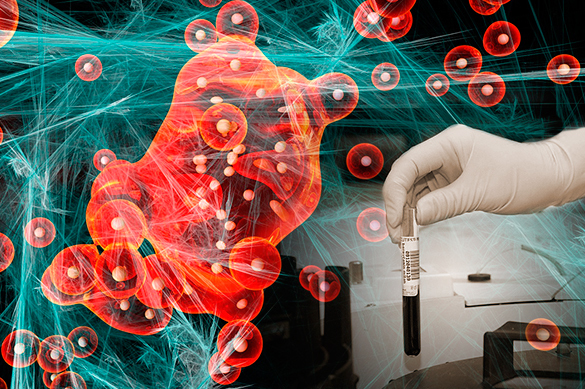
Artificial intelligence is speeding up the search for a cancer cure. For the past few years, AI has already delivered advancements and breakthroughs in the healthcare industry with regard to diagnosis and treatments, yet even those who advocate for its full use believe a cure is still a decade away.

Image source: Pravda-team.ru


The path toward a cancer-free world is built on small steps and will be iterative. Just as how previous innovations has led researchers to develop present cutting-edge technologies, AI-assisted cancer cure may take a little more time to materialize. While AI is currently fulfilling breakthroughs in cancer diagnosis, its technology will have to undergo manifold iterations to solve an overabundance of smaller problems before undertaking the final challenge.

AI possesses the huge potential of helping scientists manage the puzzling difficulties of research and other data to accelerate the discovery of a cancer drug and render scientific findings into real benefits for patients. With the ability to search through billions of experimental results, AI can identify patterns and make functional predictions regarding diagnoses, end results, and responses to treatments.
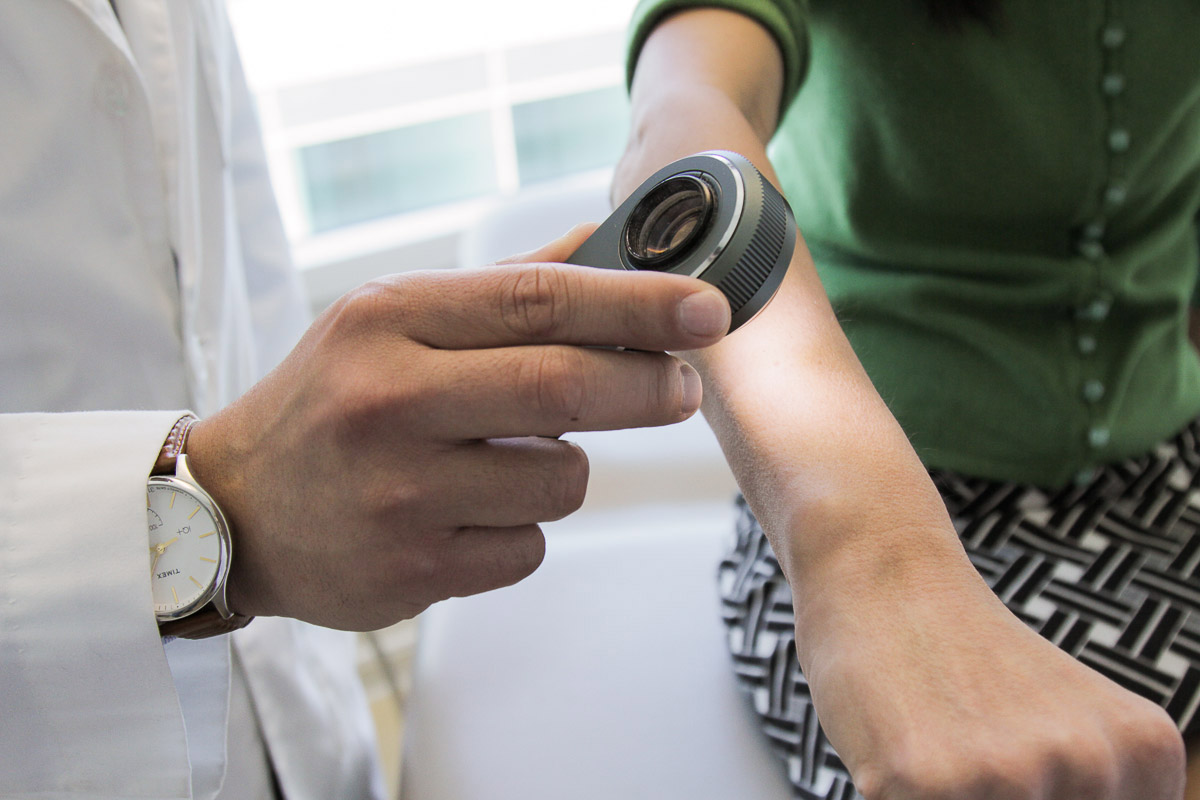
Image source: news.stanford.edu


Scientists are priming AI systems to determine early evidence of cancer in patients. This technology can be considered as seeds, but scientists, researchers, and physicians believe that it can go as far as assisting humans in finding a cure for the disease that kills millions every year. AI is a powerful weapon in mankind’s battle against cancer and other diseases, requiring the participation of providers and users in its iterative process.

Matias Campiani is the co-founder and CEO of Welwaze Medical, Inc., a health tech company that focuses on AI-based diagnostic and health monitoring solutions. Subscribe to this blog for similar updates.

Monday, May 21, 2018

How High-Tech Tech Tools Improve Breast Cancer Diagnosis

Abu Qader, a Cornell University freshman, once had a family trip to Afghanistan and saw that the country’s medical care needs attention. He knew and saw people and relatives there fall ill with breast cancer, left undetected and putting their lives in danger. The medical technology company he co-founded now seeks to address gaps in breast cancer treatment through technology.


Image source: Pixabay.com

Many high-tech companies are now vying for attention and pouring investments in this space of medical diagnostics. Mammograms remain the most important diagnostic tool for breast cancer, where suspicious lesions will be tested with a needle biopsy. If the biopsy detects an abnormality, the patient will undergo surgery to remove the lesion. About 90 percent of the time, however, the lesions are found to be benign, rendering the procedure unnecessary.

This is where high-tech diagnostic tools, such as AI based ones, come in and help prevent overscreening and subsequent overtreatment. Machine learning models, for instance, are trained on existing high-risk lesions, considering variables as broad as demographics and family history. They are hoped to correctly predict breast cancer with greater accuracy than most traditional methods.


Image source: Pixabay.com

Callbacks for false positives are said to have been reduced in recent years, thanks to new technology that incorporate 3D data, facilitating the detection of the difference between, say, a breast mass and an overlap of normal tissue. These forms of screening are usually performed in conjunction with conventional mammograms to improve accuracy and reliability of diagnosis.

Matias Campiani is the CEO of Welzwaze, a tech company he co-founded that focuses on the development of AI-based diagnostic and health monitoring solutions, with an emphasis on early breast cancer detection. Learn more about this technology on this page.